Hair Quality
Processing, cuticle condition, previous chemical treatment, and the actual hair used can influence dryness, tangling, and overall durability.

There is no single lifespan for every human hair wig. How often it is worn, how the hair was processed, the quality of the construction, heat use, washing, detangling, storage, and daily friction can all affect how long the wig continues to look and feel wearable.
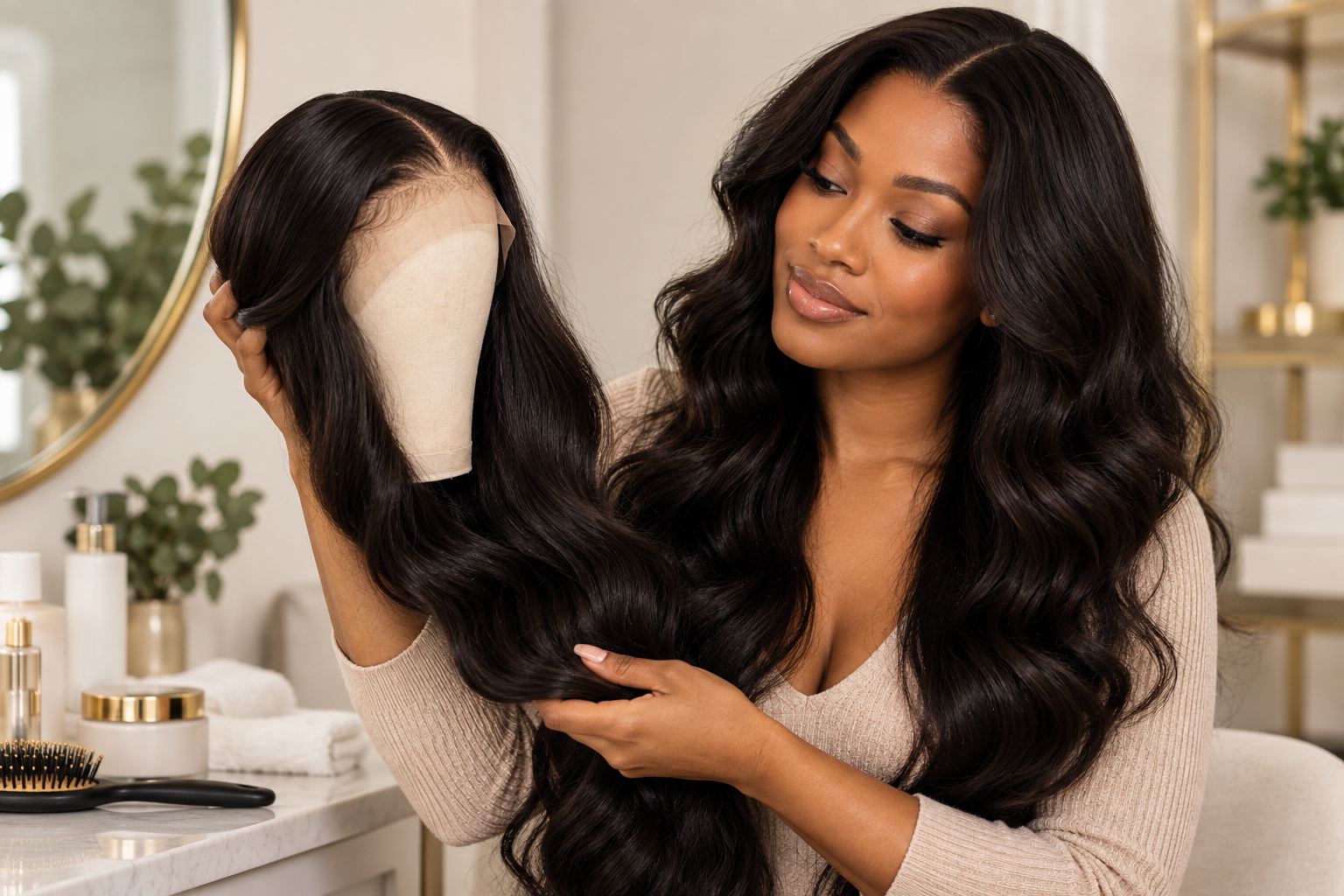
Some human hair wigs are worn frequently for many months, while others may remain usable much longer when rotated, handled gently, and worn less often.
Hair quality, processing, lace construction, maintenance, heat, friction, frequency of wear, and storage all matter.
A seller giving a specific lifespan should be treated as a general estimate rather than a guarantee.
A wig worn several days each week experiences more brushing, friction, washing, weather exposure, heat, and handling than one worn only for occasional events.
A woman who rotates three wigs may naturally get more calendar time from each piece than someone who wears the same wig nearly every day.
This is why lifespan claims should be treated as rough expectations rather than promises.
Two wigs bought on the same day can age very differently depending on the hair, construction, routine, and environment.
Processing, cuticle condition, previous chemical treatment, and the actual hair used can influence dryness, tangling, and overall durability.
Daily or near-daily wear places more stress on the hair and cap than occasional wear.
Frequent use of flat irons, curling tools, and high heat can contribute to dryness and damage over time.
Washing too frequently, handling roughly while wet, or using unsuitable products may affect softness and manageability.
Long wigs can rub against collars, coats, shoulders, car seats, pillows, and the nape throughout the day.
Poor storage can contribute to tangling, crushing, dust exposure, lace damage, and loss of shape.
Regular wear exposes the wig to movement, humidity, body heat, sweat, product buildup, brushing, clothing friction, and repeated installation and removal.
None of those things automatically ruin a wig, but together they create more wear over time.
Rotating wigs can reduce repeated stress on a single unit and may also make maintenance easier.
Product buildup, sweat, odor, dullness, and reduced movement can all signal that a wig needs cleaning.
The ideal washing schedule depends on how often the wig is worn, how much styling product is used, the climate, and the wearer's routine.
Gentle detangling before washing, careful handling while wet, suitable shampoo and conditioner, and avoiding unnecessary rubbing can help reduce stress on the hair and lace.
Human hair wigs can often be curled, straightened, or otherwise restyled, but repeated high heat may contribute to dryness, loss of elasticity, split ends, and reduced softness.
Lower temperatures, heat protectant products, fewer passes with hot tools, and less frequent restyling may reduce unnecessary stress.
Colored and chemically processed hair may require even more careful handling.
Human hair wigs naturally change with use. The hair may become drier, the ends may require trimming, and the original curl or wave pattern may need refreshing.
The useful question is whether the wig still looks, feels, and performs well enough for the way you want to wear it.
Maintenance can improve appearance, but it cannot permanently reverse severe fiber damage, major lace damage, or significant hair loss from the cap.
Long human hair wigs commonly experience more rubbing around the shoulders and nape than short wigs and bobs.
Coats, scarves, high collars, seat backs, and sleeping in the wig can increase friction and encourage tangling.
Curly, deep-wave, and textured wigs may also require different detangling methods than straight hair.
Frequent aggressive brushing can create additional stress, so the tool and technique should match the texture.
| Factor | More Wear | Potentially Gentler Approach |
|---|---|---|
| Wear Frequency | Same wig worn almost every day. | Rotate between multiple wigs when practical. |
| Heat | Frequent high-temperature styling. | Use less heat and fewer styling passes. |
| Washing | Very frequent washing or rough handling. | Wash according to buildup and wear. |
| Detangling | Pulling aggressively through knots. | Work gently from the ends upward. |
| Storage | Wig crushed, tangled, or left exposed. | Store supported and protected. |
| Friction | Constant rubbing on collars and bedding. | Reduce unnecessary rubbing where possible. |
If the hair tangles again quickly after careful detangling and conditioning, the hair may be significantly worn.
Trimming may help when the damage is concentrated at the ends, but extensive dryness throughout the wig is harder to correct.
Significant loss of hair from the cap can change density and expose construction.
Tears, stretched lace, broken elastic, or damaged cap components may eventually affect security and appearance.
Even if a wig can technically still be worn, the amount of effort required to make it presentable may eventually outweigh its usefulness.
Use these guides to understand the factors that affect wig maintenance, value, and everyday usability.
Build a practical routine for washing, detangling, conditioning, styling, and storing human hair wigs.
Care GuideUnderstand what higher prices may buy and how to think about value rather than price alone.
Budget GuideSee what to check in cap fit, lace, density, texture, and everyday glueless construction.
Glueless GuideUnderstand how length affects friction, tangling, maintenance, weight, and end quality.
Long Wig GuideDifferent textures need different detangling, styling, and maintenance approaches.
Texture GuideBrowse research-based reviews with seller claims, customer reports, and editorial analysis separated clearly.
Browse ReviewsThere is no guaranteed lifespan. Wear frequency, hair quality, processing, washing, heat styling, friction, storage, and maintenance all affect how long a wig remains wearable.
Frequent wear generally creates more exposure to brushing, friction, heat, weather, sweat, washing, and handling than occasional wear.
Rotation may reduce the amount of wear placed on any one wig and can give each piece more time between washing and styling sessions.
Frequent or excessive heat may contribute to dryness and damage over time, particularly on processed or colored hair.
Persistent tangling, severe dryness, major shedding, lace damage, cap problems, or maintenance that no longer restores an acceptable appearance can all signal that replacement may be reasonable.
Not necessarily. Price can reflect hair, construction, length, lace, color work, branding, or other factors. A higher price alone does not guarantee longer usable life.
Look at hair quality, processing, frequency of wear, washing, heat, friction, storage, and the condition of the lace and cap when judging how much life a wig has left.