01
Under the Wig
Wig Caps
Learn about nylon, mesh, stocking-style, dome, and other cap options, including fit, color, comfort, and hair protection.
Wig Caps Guide
The wig is only part of the setup. Caps, grips, stands, brushes, adhesives, lace tint, storage, and styling tools can all affect fit, security, maintenance, and how easy the wig is to wear from day to day.
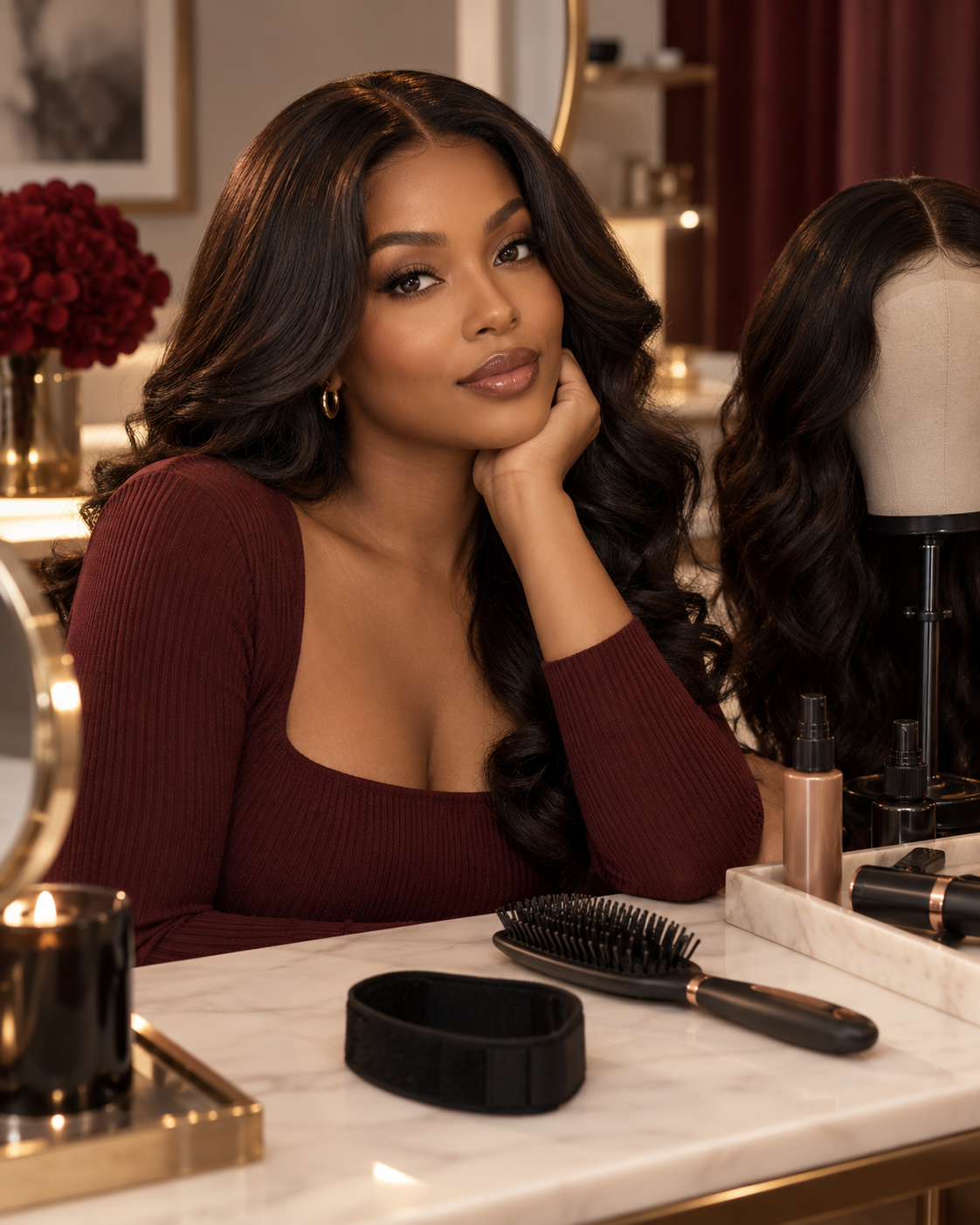
Some wearers may only need a wig cap, brush, and stand. Others may benefit from a wig grip, lace tint, adhesive, edge protection, or styling tools depending on the wig and how it is installed.
The useful approach is to build a small kit around your actual routine instead of buying a large collection of products you may rarely use.
A wig grip may help some wearers feel more secure. A stand can help preserve shape between wears. A wide-tooth comb may be more useful for textured hair than a fine brush. Lace tint may help adjust the appearance of lace that does not blend well with deeper complexions.
For African American women, African women, natural-hair wearers, and other women of color, the accessory choices can also relate to protecting edges, accommodating braids or natural hair underneath, matching lace more closely, and reducing unnecessary manipulation.
The important part is knowing what each accessory is supposed to do before deciding whether you need it.
Start with the accessories that solve the biggest problems in your own routine, then add more only when they are useful.
Learn about nylon, mesh, stocking-style, dome, and other cap options, including fit, color, comfort, and hair protection.
Wig Caps GuideExplore wig grip bands, velvet grips, silicone designs, and how they may help reduce slipping without adhesive.
Wig Grips GuideUnderstand collapsible stands, mannequin heads, tripod stands, and simple storage options for keeping wigs shaped between wears.
Wig Stands GuideChoose brushes and combs based on straight, wavy, curly, coily, kinky, and Afro-textured wigs.
Brushes & CombsUnderstand glues, sprays, tapes, hold levels, removal, and the importance of following product instructions around skin and hairlines.
Adhesive GuideLearn how lace tint products are used to adjust lace color and what deeper-skinned wearers may want to check before choosing a shade.
Lace Tint GuideReview bags, boxes, stands, travel cases, and simple ways to reduce tangling, crushing, dust, and shape loss.
Storage GuideLook at hot tools, foam rollers, clips, pins, edge tools, spray bottles, and other items used to shape and style wigs.
Styling Tools GuideA wig grip, adjustable cap features, stand, and basic styling tools may be more relevant than adhesive.
Lace tint, adhesive or tape, edge tools, elastic bands, and careful removal products may become more important depending on the installation method.
A wide-tooth comb, spray bottle, detangling tools, and storage that protects curl shape may be more useful than a traditional paddle brush.
A collapsible stand, storage bag, compact brush or comb, and simple installation products may help keep the routine manageable away from home.
| Accessory | Main Purpose | Useful Check |
|---|---|---|
| Wig Cap | Contain natural hair and create a smoother base. | Fit, material, color, comfort. |
| Wig Grip | Help reduce movement or slipping. | Width, material, pressure, comfort. |
| Wig Stand | Support wig shape between wears. | Stability, height, portability. |
| Brush / Comb | Detangle and shape hair. | Choose according to texture. |
| Adhesive | Secure lace or wig perimeter. | Hold, removal, skin instructions. |
| Lace Tint | Adjust visible lace color. | Shade, undertone, transfer. |
| Storage | Protect shape and reduce tangling. | Space, ventilation, travel use. |
| Styling Tools | Shape, smooth, curl, pin, or finish the wig. | Hair type and heat limitations. |
A large wig kit can look impressive and still contain products you never use.
Start with fit, security, detangling, storage, and maintenance. Add specialized items only when your wig routine actually needs them.
Pay attention to wig material, texture, lace construction, your natural hair underneath, and any product instructions that relate to skin, heat, adhesives, or chemical treatments.
Pulling aggressively with the wrong brush, using heat above a fiber's recommended temperature, storing a damp wig, or removing adhesive roughly can create problems that have little to do with the original wig quality.
Human hair, heat-friendly synthetic fiber, standard synthetic fiber, lace, curls, and Afro-textured wigs can all require different handling.
Check the wig manufacturer's care instructions and the accessory manufacturer's directions before using heat, adhesive, remover, tint, or other products that may affect the hair, lace, or skin.
Your wig's construction, texture, length, and intended use should shape the accessories you choose.
Understand security, adjustable features, lace, and how glueless construction changes the accessories you may need.
Glueless GuideReview lace, hairlines, parting, fit, installation, and visible lace around the face.
Lace Front GuideChoose brushes, combs, styling tools, and maintenance methods according to the hair texture.
Texture GuideLonger wigs may require different storage, detangling, and styling routines than shorter styles.
Length GuideThink about accessories as part of the total cost of the wig, especially when installation products are required.
Budget GuideBrowse research-based wig reviews with seller claims and customer-reported patterns clearly separated.
Wig ReviewsA basic setup may include a wig cap if needed, a suitable brush or comb, and a stand or storage option. Other accessories depend on the wig construction and installation method.
Not everyone does. Wig grips may help some wearers reduce slipping or avoid adhesive, but fit and comfort should be checked carefully.
No. Many wigs are designed for glueless wear. Adhesive is generally more relevant to certain lace installations and specific styling preferences.
Lace tint is used to adjust the visible color of lace so it may blend more naturally with the wearer's complexion.
It depends on the wig texture and fiber. Curly, coily, and textured wigs often require different detangling tools and handling than straight wigs.
A wig can be stored on a suitable stand, mannequin head, or in a protective bag or box depending on available space, wig type, and how frequently it is worn.
Start with the accessories that improve fit, security, maintenance, storage, or styling for the wigs you actually wear.