Why Does My Wig Lace Look Gray on Dark Skin?
Gray or ashy wig lace is usually caused by a shade mismatch, cool undertone, heavy makeup, adhesive residue, thick mesh, or product buildup. This guide explains how to identify and correct the problem.

Wigs covers the styles, constructions, textures, lengths, and features that shape how a wig looks, fits, and performs in everyday wear. This category brings together practical guidance on human hair wigs, synthetic wigs, glueless units, lace-front styles, closures, half wigs, headband wigs, braided wigs, bobs, curls, straight textures, and natural-looking options.
The content is created for Black women, African American women, African women, women of color, and textured-hair wearers looking for clearer information before choosing a wig. Readers will find help understanding cap construction, lace size, density, parting space, hairline details, texture, length, fit, maintenance, and the differences between common wig types.
We also examine what product listings clearly disclose, where seller claims remain uncertain, and which customer-reported patterns appear repeatedly. Editorial guidance, retailer information, and reported experiences are kept separate so readers can judge each option more carefully. The goal is to make wig shopping easier to understand, especially for beginners, while helping experienced wearers find styles that better match their routine, preferences, and natural-hair goals.
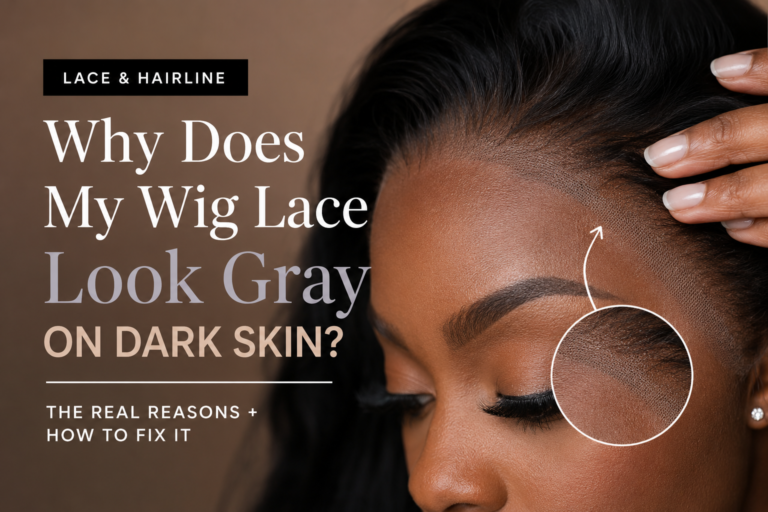
Gray or ashy wig lace is usually caused by a shade mismatch, cool undertone, heavy makeup, adhesive residue, thick mesh, or product buildup. This guide explains how to identify and correct the problem.