Short Wigs
Pixies, cropped styles, tapered wigs, and shorter cuts can feel lighter and place more attention on shape and face framing.
Short Wigs Guide
Wig length affects more than where the hair ends. It changes weight, movement, maintenance, tangling, styling options, face framing, and how a texture appears. This guide helps you understand short, medium, long, and bob-length wigs before choosing.
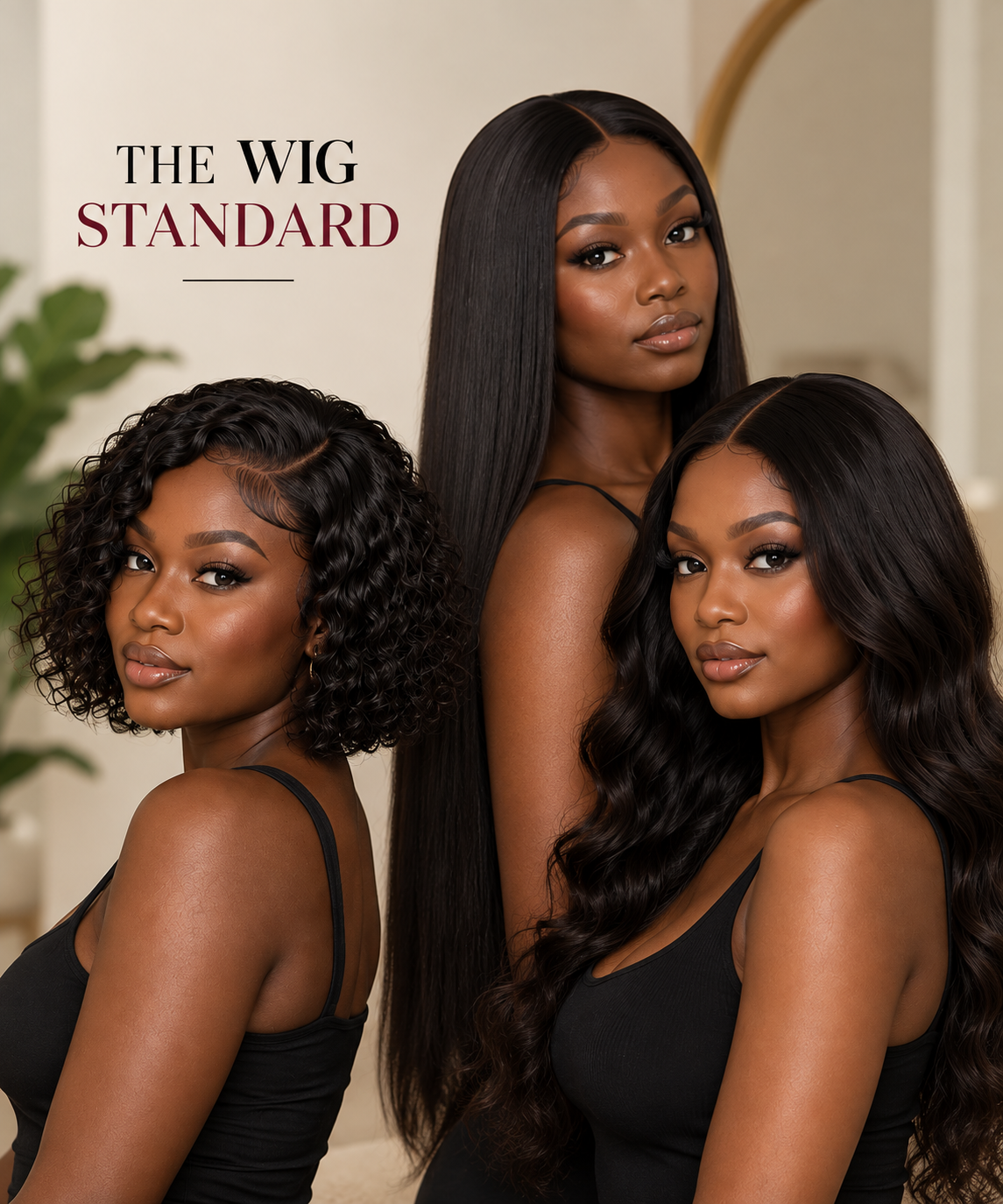
Wig length generally refers to the distance from the top or crown area to the ends of the hair when measured according to the seller's method.
Straight hair often appears close to its listed length, while body wave, deep wave, curly, coily, and Afro-textured wigs may appear shorter because bends, curls, and coils reduce visible length.
Your height, neck length, torso length, layers, density, and where the wig sits on the head can also change where a particular length reaches on your body.
Length is often treated as a simple style choice, but it affects nearly every part of the wig experience.
Short wigs may feel lighter and easier around the neck. Medium lengths can offer styling flexibility without the maintenance of very long hair. Long wigs can create dramatic movement and more styling options but may increase tangling, friction, drying time, and storage needs.
Texture changes the picture even further. A 20-inch straight wig and a 20-inch curly wig may look completely different when worn.
The most useful question is not simply “How long do I want my wig?” It is “How much length fits the way I actually want to wear and maintain it?”
Start with the length family, then narrow by texture, construction, density, and maintenance.
Pixies, cropped styles, tapered wigs, and shorter cuts can feel lighter and place more attention on shape and face framing.
Short Wigs GuideMedium lengths offer a useful balance between movement, styling flexibility, comfort, and manageable maintenance.
Medium-Length GuideLong wigs offer dramatic movement and styling range but may bring more tangling, friction, weight, and care.
Long Wigs GuideBob wigs rely heavily on cut, face framing, density, nape shape, and where the ends fall around the jaw or shoulders.
Bob Wigs GuideSellers may measure hair differently depending on the wig and texture. Straight hair is usually easier to judge because the strands fall closer to their full measured length.
Wavy and curly wigs may be measured while stretched. That means a 20-inch curly wig may not visually fall as low as a 20-inch straight wig.
Layers can also create several visible lengths within the same wig. A layered 18-inch wig may have shorter sections around the face while only the longest pieces reach the full listed measurement.
When a seller does not explain how length is measured, customer photos and videos can help show where the hair actually falls.
Straight wigs usually display more of their measured length because there is little curl contraction.
Body wave and deep wave wigs can appear slightly shorter because the hair travels through bends instead of falling directly downward.
Curly, kinky curly, coily, and Afro-textured wigs may show much more visible shrinkage. A wig can contain long strands while still creating a shorter, fuller silhouette.
This is one reason length and texture should always be chosen together rather than treated as separate decisions.
Short wigs may be easier around collars, scarves, jackets, and warm weather. They can also reduce friction at the shoulders and back.
Medium-length wigs often offer a middle ground: enough length for movement and styling without reaching far down the back.
Long wigs can feel glamorous and versatile, but longer hair may rub against clothing, tangle at the nape, take longer to wash and dry, and require more careful storage.
For African American women, African women, women of color, textured-hair wearers, and other wig shoppers, the better choice is usually the length that fits both the desired style and the amount of maintenance you actually want.
Height, torso length, texture, curl pattern, layers, and cap placement can all change the visible result.
| Length Range | Typical Appearance | What to Consider |
|---|---|---|
| Very Short | Pixie, cropped, tapered, or above-ear styles. | Shape, nape fit, sideburns, face framing, and cap construction. |
| Short | Jaw, chin, or shorter bob lengths. | Cut line, density, neck shape, and face framing. |
| Medium | Often falls between the shoulders and upper chest depending on texture. | Layers, movement, shoulder friction, texture, and styling range. |
| Long | Can fall from chest level toward the mid-back or lower. | Tangling, weight, nape friction, drying, storage, and end quality. |
| Extra Long | Designed for dramatic length below the mid-back. | Maintenance, density, thin ends, tangling, weight, and everyday practicality. |
Check listed length, texture, model height when provided, layers, density, cap construction, customer photos, rear views, side views, and the seller's measurement method.
For curly and coily textures, confirm whether the listed length is measured stretched.
Also look at end thickness. A very long wig may sound impressive on paper but look less polished if the final several inches become thin or uneven.
Height, torso length, neck length, cap placement, and body proportions affect where the wig lands.
Curly, coily, and Afro-textured wigs can appear significantly shorter than straight wigs with the same listed measurement.
Longer wigs experience more friction against clothing, seats, scarves, and the back of the neck.
A long wig can lose its polished appearance if the bottom becomes noticeably thin, dry, or uneven.
A dramatic style may be beautiful but frustrating if it does not fit your work, travel, climate, or maintenance routine.
Each page focuses on the specific fit, styling, and maintenance questions associated with that length.
Explore pixies, cropped cuts, tapered styles, face framing, density, and nape shape.
Read the GuideReview shoulder-length and medium styles, movement, layering, comfort, and maintenance.
Coming SoonUnderstand long-hair movement, tangling, density, end quality, weight, and care.
Coming SoonReview blunt, layered, angled, curly, and textured bob styles.
Read the GuideSee how straight, wavy, curly, kinky, and Afro textures change visible wig length.
Read the GuideBrowse research-based wig reviews and check how length, density, and texture are described.
Browse ReviewsMeasurement methods vary by seller, but wig length generally refers to the distance from the top or crown area toward the ends. Wavy and curly hair may be measured while stretched.
Curls and coils contract the visible length. The strands may measure the same when stretched but appear shorter when worn in their natural pattern.
Short and medium lengths can be easier for some wearers because there is less hair to detangle, wash, dry, and protect from friction. Texture and construction also affect maintenance.
They can because more hair comes into contact with clothing, the neck, furniture, and other surfaces. Hair quality, texture, care, and product buildup also matter.
Yes. The same wig may fall at different points on people of different heights and torso lengths.
Check the listed measurement, texture, model height when available, layers, density, end thickness, stretched versus visible length, customer photos, and the amount of maintenance you want.
Use The Wig Standard’s length, texture, and construction guides to think through movement, tangling, maintenance, face framing, density, shrinkage, and everyday comfort before buying.